Names That Mean Moon: How to Pick One That Actually Fits
Summary
Twelve names that mean moon, spanning Greek, Latin, Turkish, Sanskrit, and Hawaiian. Luna is the most popular - it ranked #10 in the US in 2024 according to the Social Security Administration. But names like Selene, Aylin, and Mahina carry the same lunar root with considerably less crowd. Each entry here includes etymology, how it sounds in daily use, and who it might suit best.
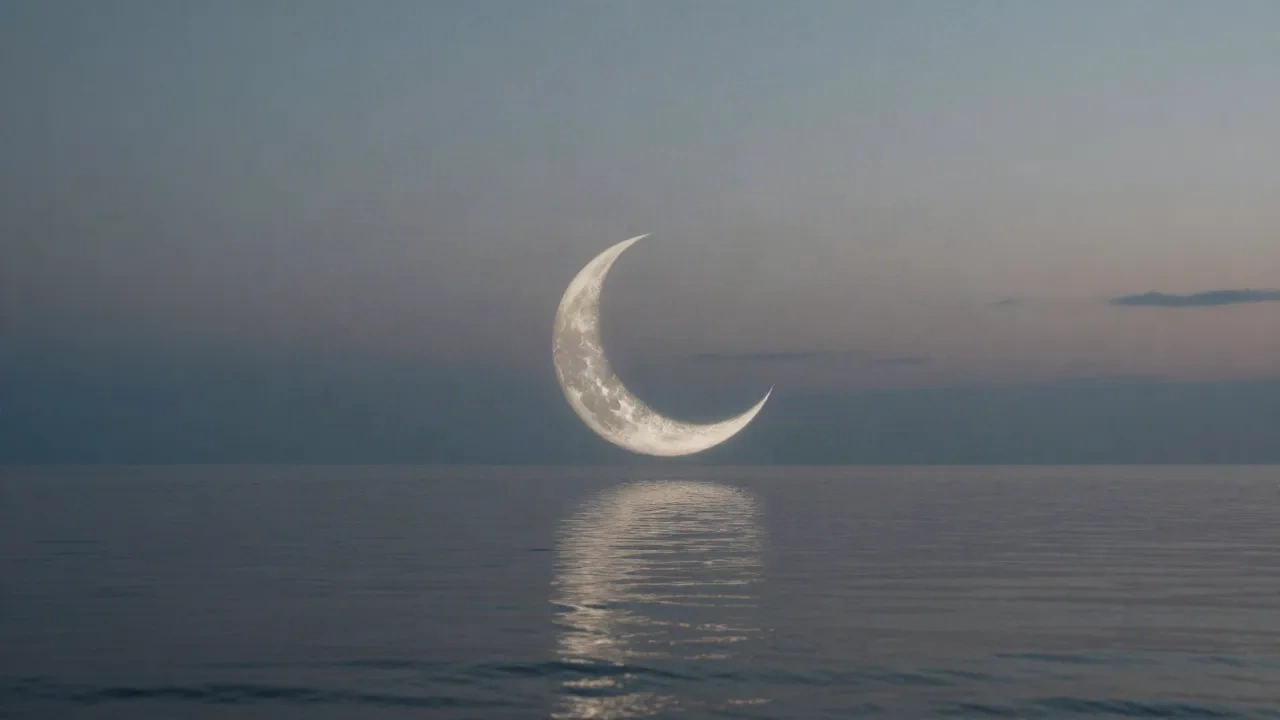
Names that mean moon span at least a dozen languages and three thousand years of naming tradition. Luna dominates current charts in the United States and across much of Europe, but it is far from the only path to the same idea. This guide gives you twelve names with a genuine lunar root, organized not by rank but by what each one sounds like when you say it aloud. That is where the real decision tends to happen.
Why Names That Mean Moon Have Staying Power Right Now
The moon is the only celestial body a human being has stood on. That simple fact gives moon-meaning names a different weight than star names or flower names: they connect to something that is both ancient and verified. Parents who want a name that carries scale without feeling pretentious keep landing here.
There is also the question of sound. Moon names from different language families tend to cluster in a few distinctive phonetic shapes - the open "oo" vowel in Luna and Lune, the clean consonant-vowel patterns of Turkish names like Aylin, the soft layering in Selene. These are sounds that hold up across years and accents.
And the timing matters. Luna entered the US top ten in 2022 and has remained there. That popularity signals appetite but also risk: a name can cross from well-loved to overused within a single school year. The names further from the center of that conversation deserve a careful look before you close the list.
There is one other thing worth naming. The moon is the same object every culture has looked at - from the Greek astronomers who named Selene to the Hawaiian storytellers who spoke of Mahina. A name with a lunar root carries that shared history without needing to belong to any one tradition. For families that span cultures, or that simply value that kind of depth, it is a compelling place to look.
Once the name is settled, some parents look for ways to bring it into the nursery - a name print, a custom illustration, or a small piece of art to mark the moment. AI image tools have made that easier and more personal.
Luna and Selene: When the Obvious Choice Is Also the Right One
Luna comes directly from the Latin word for moon. It was also the name of the Roman goddess who drove her silver chariot across the night sky. In Italian and Spanish, it is still a common word - you say buona luna in Naples when the moon is full and worth remarking on. The name spent centuries as a well-loved given name in Southern Europe before reaching broader English-speaking audiences in force.
The case for Luna is straightforward: it works. It is short, pronounced identically in every Romance language, and carries its meaning on its sleeve without being heavy about it. According to the US Social Security Administration, Luna ranked #10 among girl names in 2024, making it genuinely mainstream. If both partners like it and the surname does not clash, there is no clever reason to dismiss it.
Selene is the older name. In Greek, it predates Luna by several centuries - Selene was the Titan goddess of the moon in Homer's world, sister of Helios and Eos. The name itself likely derives from selas, the Greek word for light. It is three syllables (seh-LEE-nee), which gives it a more formal presence than Luna. Some families find that presence exactly right; others find it too ceremonial for daily use. Worth saying aloud with your surname before deciding.
A name worth mentioning alongside them: Phoebe, which derives from the Greek phoibos (bright, radiant) and belongs to the same mythological world as Selene. Phoebe was a Titan associated with the moon in classical sources. The lunar connection is indirect but robust - and the name has the advantage of sitting comfortably in current use without feeling on-trend.

The Turkish Angle: Aylin, Koray, and the "Ay" Root
Turkish offers some of the most distinctive names that mean moon in active use today - and they are built on a different root entirely. In Turkish, ay means moon, and it appears as a productive component in several given names.
Aylin combines ay (moon) with the suffix -lin, creating a name meaning roughly "of the moon" or "lit by the moon." It has been in common use in Turkey for decades and is now spreading steadily in Germany, Austria, and the Netherlands - countries with significant Turkish-heritage communities and a growing appreciation for its clean sound. Pronounced AY-leen, it is one of the few moon names that sits immediately at home in both European and English-speaking contexts without requiring adaptation.
Koray takes a different direction. It means "ember moon" - kor is the Turkish word for live embers, giving the combination a warmer, subtler quality than most lunar names. Pronounced KOH-rye, it works as a masculine given name and carries its meaning without announcing it. If you want a lunar connection that is not immediately readable as such, Koray is worth trying aloud with your surname.
Aysu (moon water) and Ayda (with the moon) follow the same ay root and show how productively Turkish builds lunar names - though they are less familiar outside Turkey and diaspora communities.
From Sanskrit to Hawaiian: Chandra and Mahina
The Sanskrit root for moon, chandra, is one of the oldest on record. It appears in the Rigveda, among the earliest texts in any Indo-European language, where it refers both to the moon and to the god Chandra, the lunar deity. From that root come names still in active use across South Asia and its diaspora.
Chandra functions as both masculine and feminine in Hindi and Sanskrit contexts. It is direct (meaning simply "moon" or "moonlike"), short, and cross-cultural in a way that requires no explanation. The main challenge in English-speaking settings is pronunciation: the correct form is CHUN-druh, not CHAN-druh. That is worth settling between partners before the birth announcement.
Chandni is a related form from Hindi, derived from chand (the colloquial form of chandra), meaning something like "moonlight" or "something lit by the moon." It is predominantly used as a feminine given name in India, Pakistan, and diaspora communities in the UK and Canada. If your family has any South Asian connection, it may arrive with additional resonance that a list cannot fully capture.
Mahina comes from Hawaiian and carries the name of the Hawaiian moon goddess. Pronounced mah-HEE-nah, it has an open, vowel-rich sound that travels differently from the European lunar names. In Hawaii it is in regular use. Outside Hawaii, it is less frequently heard - which, unlike some names that claim rarity without evidence, is straightforwardly verifiable by looking at any Hawaiian census data or SSA name frequency tables. It exists comfortably as a given name without being invented.

Names With a Lunar Root That Do Not Announce Themselves
Some names carry a moon connection that is not immediately obvious to English ears - which can be exactly what certain families are looking for.
Lusine is an Armenian name meaning "moon." It is rarely heard outside Armenian communities and diaspora networks, which makes it genuinely uncommon in Western European and North American contexts - without being a name someone invented. It has centuries of use behind it in Armenian culture. Pronounced loo-SEE-neh, it is close enough to familiar sounds to travel well without losing its distinctiveness.
Elara is the name of one of Jupiter's moons - it comes from Greek mythology and was applied to the Jovian moon in the early twentieth century. The name is not a word that means "moon" in any language, but it is a name that belongs to a moon. That distinction may matter to some families and not at all to others. For families who want a celestial connection without a literal translation, Elara sits in an interesting position.
Tsuki is the Japanese word for moon and is occasionally used as a given name, particularly as part of compound names. Pronounced TSOO-kee, it is short, clear, and carries an unmistakable cultural origin. It does not attempt to travel across contexts - which is part of what makes it worth considering if your family has Japanese heritage.
Exploring names across languages is one of the more interesting parts of this process. If you are drawn to the sound of a name from a language you do not speak, hearing it spoken by a native speaker changes something.
For Boys: Moon Names That Stand on Their Own
Moon names for boys are less charted territory, and that is part of their appeal.
Koray (described above in the Turkish section) is the quietest masculine option - warmer in sound, less immediately recognizable as a moon reference, and already in established use within a specific cultural tradition.
Qamar is Arabic for moon and is used as both masculine and feminine across Arabic-speaking communities. Pronounced KAH-mar, it is short, has a clear etymology, and no ambiguity in pronunciation once it is learned. For families with Arabic-language heritage, it arrives with existing cultural meaning. For families without that connection, it works as a name with a specific, verifiable origin.
Chandra, mentioned above in the Sanskrit section, is genuinely gender-neutral in its original context. In Western settings it is sometimes read as feminine, but its grammatical gender in Sanskrit is masculine. For parents who want a name that is etymologically male with a lunar root, Chandra is one of the few that comes with that provenance.
For families about to welcome a new arrival, animated story tools have become a quiet staple - for keeping older siblings engaged or for building a first small library around the new name.
Say the Name Out Loud Before You Decide
This sounds obvious, but it is the step that changes the most minds.
A name that reads well on a shortlist and a name that works when called across a room are often not the same name. Say it with your surname. Say it as a full name, first and last together. Say it in the voice you use when you are tired, not the voice you use when you are reading.
Luna with a one-syllable surname can feel cut short. Selene with a three-syllable surname can feel ceremonial in a way that may or may not suit your family. Aylin tends to land cleanly in most combinations. Chandra needs the pronunciation agreed between both partners before the birth announcement, otherwise someone will say it wrong in the first hour and it will stick.
The names that mean moon are spread across enough languages that at least one of them will fit the sound you are actually looking for. The work is in finding which one passes the aloud test - not just the page test.
FAQ
What is the most popular name that means moon right now? Luna is the clear leader. According to the US Social Security Administration, it ranked #10 among girl names in 2024, making it one of the most common girl names in the country regardless of theme or category.
Are there names that mean moon for boys? Yes, though they are less common in English-speaking contexts. Koray (Turkish, "ember moon"), Qamar (Arabic, "moon"), and Chandra (Sanskrit, gender-neutral in origin but grammatically masculine) are the most established options with active use.
Is Phoebe a moon name? Not directly - Phoebe means "bright, radiant" in Greek - but in classical mythology, Phoebe was a Titan associated with the moon. The connection is real but indirect. It belongs to the same mythological world as Selene without being a direct translation.
What does Aylin mean exactly? Aylin is a Turkish name combining ay (moon) and the suffix -lin, meaning roughly "of the moon" or "moonlit." It has been in established use in Turkey for decades and is increasingly common in German-speaking Europe.
How do you pronounce Mahina? Mahina is pronounced mah-HEE-nah. It is a Hawaiian name for the moon goddess and is in regular use in Hawaii. The stress falls on the second syllable.
What does Selene mean in Greek? Selene likely derives from the Greek selas, meaning light. Selene was the Titan goddess of the moon in Greek mythology, the equivalent of the Roman Luna. The name predates Luna in recorded use by several centuries.
Are there moon names that travel well across European languages? Luna is the strongest cross-European option - it is a common word in Italian and Spanish and requires no adaptation. Selene also travels well given its Greek root and classical resonance across Romance and Germanic cultures. Aylin, while Turkish in origin, has a sound that sits comfortably in German, Dutch, and English contexts without adjustment.