German Names That Travel Well: 10 Picks and Their Roots
Summary
German names are short, steady and often older than they sound. Sophia and Noah led Germany's 2025 ranking, and Leo entered the top ten for the first time. This guide covers ten German names with their roots, from Clara and Emil to Romy and Ludwig, plus how to say them aloud, what a German Standesamt may refuse, and a two-list method for agreeing on one name as a couple.
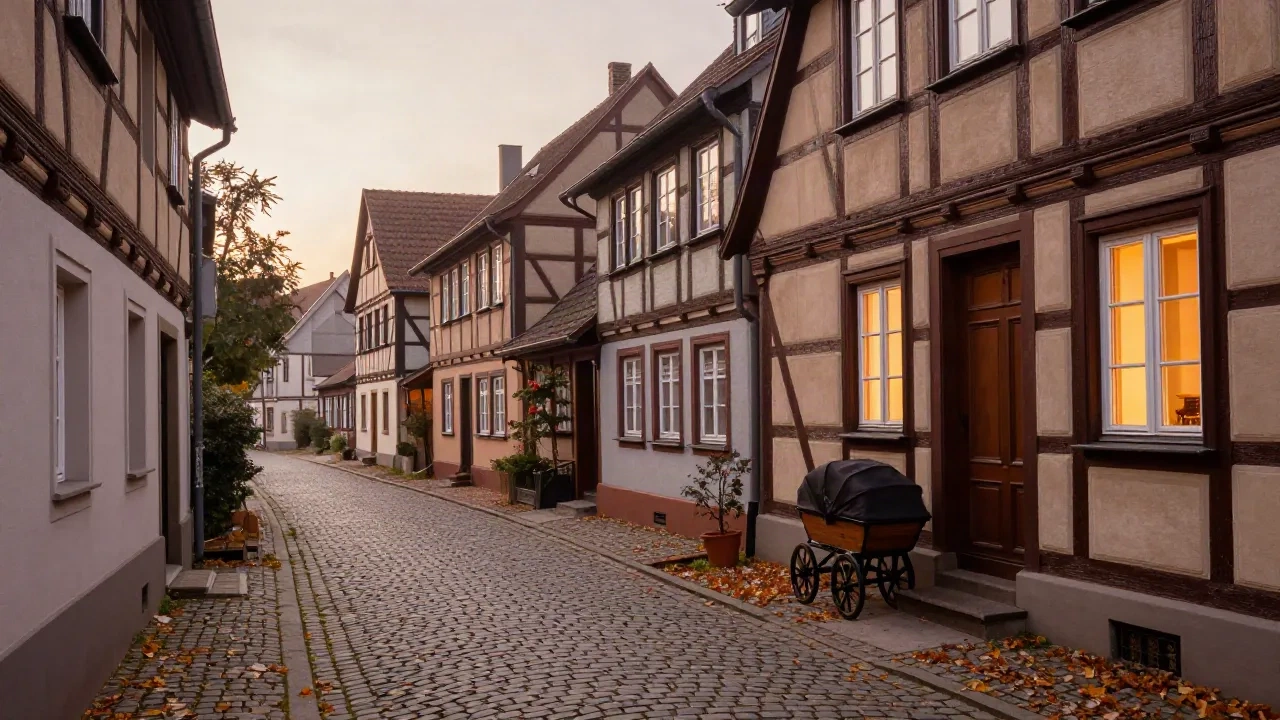
German names reward the couple who says them out loud. They are short, steady and often older than they look, and the best ones carry a meaning you can explain to a grandparent in a single sentence. If you are weighing German names for your child, start with three questions: does it sound right in your own accent, does it survive an English-speaking classroom, and does the story behind it hold up? The ten names below pass all three, with the roots to prove it.
What do German names sound like in 2025?
Soft, open and ending on a vowel. In Germany's 2025 ranking, compiled by the hobby name researcher Knud Bielefeld, Sophia took the top girls' spot from Emilia, while Noah stayed first for boys. Matteo, Elias, Theo and Leo follow among the boys. Leo is the newcomer: it entered the top ten for the first time, and Bielefeld said he watched it closely because of the new pope's choice of name. The data behind the list covers about 260,000 birth notifications from 375 cities, roughly 40 percent of the babies born in the country.
Notice what is missing. Hans, Helga and Günter, the names that topped the charts in the 1930s, have left the nursery entirely. The new German favourites are international on purpose. Bielefeld's own explanation for the names climbing fastest, such as Romy, Carlo and Amalia, was that they are melodic and work in many languages.
That is a useful clue if your family spans two countries. A name that is German in spelling but easy in French, English or Spanish does a lot of quiet work.
Where do German names actually come from?
Fewer of them are German than you would think. The old Germanic stock was built like a Lego set: two short word-roots glued together. Wilhelm is "will" plus "helmet". Friedrich is "peace" plus "ruler". Ludwig joins "famous" and "battle". The names sound heavy because their founders wanted children to grow into armour.
Then came the Church, and with it a second layer from Latin, Greek and Hebrew: Clara, Anton, Hannah, Elias, Felix. By the nineteenth century, the two layers had blended so thoroughly that most families could not tell you which was which.
A third layer is the one you hear in 2025 playgrounds: Italian and Scandinavian imports, plus names from the Arabic- and Turkish-speaking communities that make up a large share of modern Germany. Musa and Adam, both named by Bielefeld as climbing, fit that pattern.
I keep a small rule when I look at origin stories. If a name's meaning is debated, I say so. Emil, for example, comes from the Roman family name Aemilius, but scholars disagree on what that family name originally meant. "The exact origin is debated" is a good, honest sentence to put in a baby book.
Ten German names with a story you can tell
Not a ranking. A short shelf, grouped by the feeling they leave when you say them.
The quiet classics
Clara (KLAH-rah). Latin for "bright" or "clear". It sits in Germany's current top ten and travels everywhere without a spelling fight. Worth saying aloud: the stress is on the first syllable, and it gets a warm, round vowel in German.
Emil (AY-meel). Short, a little old-fashioned, and back in the top ten for boys. Say the first syllable like the English "ay". Skip it if you want something nobody will mispronounce, since English speakers say "EM-il".
Anton (AHN-tohn). From the Roman family name Antonius, whose own source is unclear. Sturdy, friendly, and good with almost any surname.
The comeback names
Mathilda (mah-TIL-dah). From Old High German roots usually read as "strength in battle". It faded for decades and has been returning in the nursery, often shortened to Tilda.
Frieda (FREE-dah). From the Germanic root for "peace". The "ie" is the whole trick: it is an "ee", which makes Frieda easy for French and Spanish speakers but a stumble for some English ones.
Ida (EE-dah). Possibly from an old Germanic word for "work" or "labour", though the origin is debated. A three-letter name with a lot of history.
The ones with a strong pull right now
Romy (ROH-mee). Started as a pet form of Rosemarie, and picked up an actress's glamour along the way. It is one of the names Bielefeld pointed to as rising in the 2025 data.
Carlo (KAR-loh). The Italian cousin of Karl, which goes back to a Germanic word for "free man". Rising for boys, and the rolled R is optional.
Two with weight
Ludwig (LOOT-vikh). The "famous in battle" name, with a Bavarian king and a composer in its past. The final "g" is a soft "kh" sound that can stop an English speaker in their tracks. Choose it if your family is German-speaking enough to enjoy the challenge.
Greta (GREH-tah). Short for Margareta, which comes from the Greek word for "pearl". Taken to the world stage by one Swedish activist, so expect to hear that connection for a while.
What the Standesamt will and will not allow
This is the part that surprises foreign couples. In Germany, the civil registry office (the Standesamt) has to accept the first name before the birth certificate is issued. As a rule, the name must be recognisable as a first name, must not harm the child, and cannot be a brand, a surname on its own or a place. Names that carry evil or insulting associations get turned back.
If an office refuses, you can appeal or submit another name. A fee comes with each attempt, according to one expat guide, so it pays to check first.
Older articles also say a name must signal the child's gender. The practice has loosened and varies by office, so I would ask at your local Standesamt rather than trust a rule from a decade-old forum post. The honest answer is that no online list can promise you an outcome. Registries decide case by case.
One more German habit worth borrowing: the Rufname. Parents often give two or three first names, and the one used every day, the call name, is underlined on official papers. It is a lovely safety valve. You can honour a grandmother in the middle name and still call your daughter something that sounds like her.
Why pronunciation decides more than meaning
Say a few of these aloud and you will find the traps in minutes. Three habits cover most of them.
First, German "J" sounds like English "Y": Jonas is YOH-nahs, never JOH-nus. Second, German "W" sounds like "V": Wilhelm is VIL-helm, which is why a Wilhelm in London often becomes Will. Third, "ie" is "ee" and "ei" is "eye", so Frieda is FREE-dah, and Einstein, the most famous "ei" of all, is EYEN-shtyne.
Umlauts matter too. Names with ü and ö, like Jürgen or Jörn, are lovely on a page and a daily negotiation abroad. Skip them if the child will grow up outside German-speaking countries and you do not want to explain the dots at every school registration.
My own test is the airport test. Say the full name the way a gate agent would read it, in a flat voice, with the surname. If it still sounds like you, it is ready.
What if you want German roots without a heavy name?
Look sideways. Plenty of couples love the idea of German names but not the sound of Ludwig or Wilhelm in a playgroup. The trick is to pick the softer cousin. Wilhelmina becomes Mina. Friedrich becomes Fritz, or the lighter Frido. Margareta becomes Greta. Mathilda becomes Tilda.
The same trick works for gender-neutral families, with one honest caveat. German naming law has historically been stricter on gender-neutral names than American or British practice, and a few offices still ask for a second name. If a neutral choice matters to you, call ahead and bring your list.
I should also be direct about the limits of a "German names" shelf. Not every name popular in Germany is German by origin, and not every German name sounds German to an English ear. Treat the label as a mood, not a rule.
How do two people actually agree on one name?
I have watched this play out around a kitchen table more times than I can count. One partner wants Emil because it feels like a grandfather's hands. The other hears "Emily" and winces. Nobody is wrong. The name that keeps coming back usually survives because both partners hear something different in it and both are happy.
Here is a method that works better than another round of lists. Each of you writes down five names on your own, without looking at each other's page. Cross out anything the other person winces at. Then read what is left aloud, with the surname, in a normal voice. If one name makes both of you smile, that is your shortlist of one.
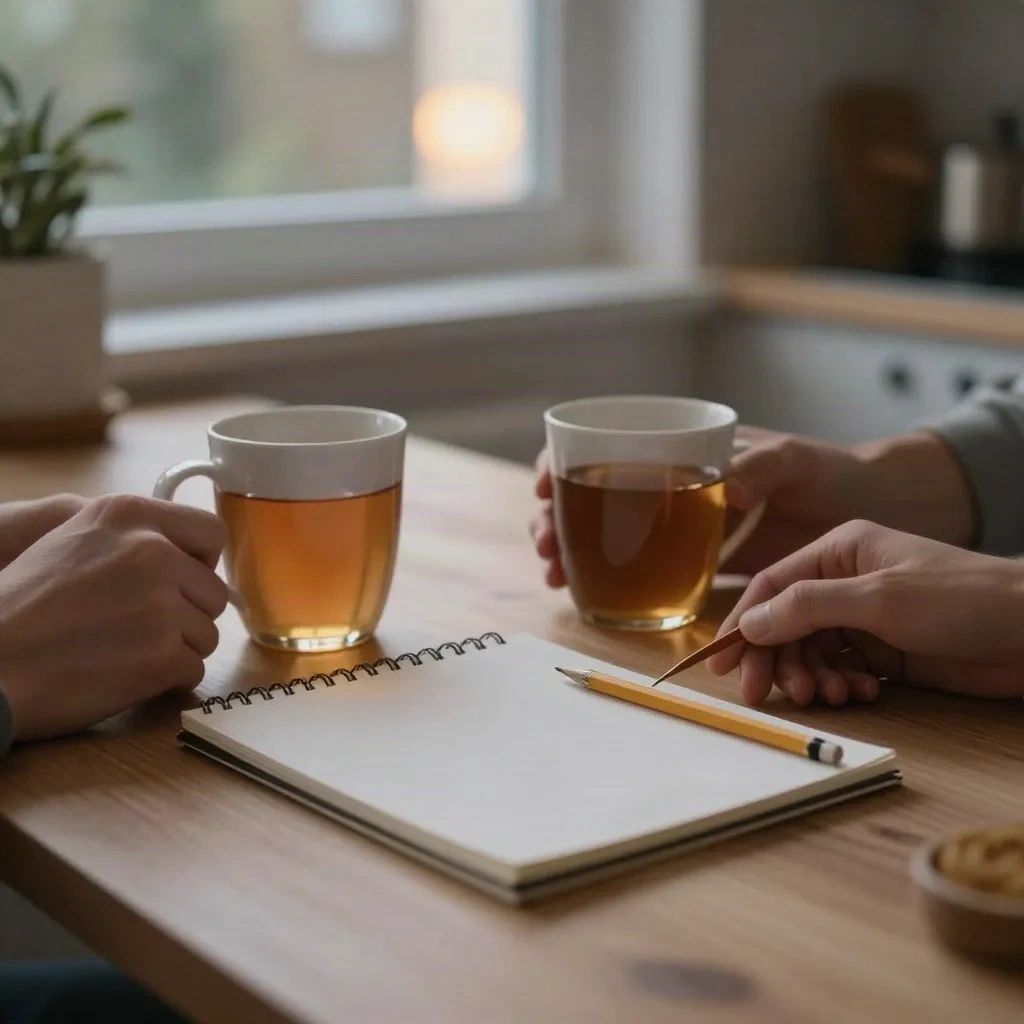
If you want a tool to do the cross-checking, bundleofjoy's Partner Sync takes two private lists and shows only the overlap, so nobody has to argue before there is a shortlist. It is a small thing, but it turns a tense conversation into something closer to a game, and it keeps the first round anonymous, which is where most of the pressure lives.
What would I actually pick?
If I had to choose from the ten, I would pick Clara or Emil for a family that wants something classic, and Romy for a family that likes a name with some movement. Skip Ludwig unless your household enjoys the "kh" sound. Skip anything with an umlaut if you are raising a child abroad.
Whatever you pick, write down why. Not for the baby book, but for the day your child asks. A name with a reason behind it is easier to grow into, and easier to defend at a family dinner when an uncle asks why not Hans. A small keepsake can hold the reason: a stamped bracelet, a framed card or a blanket with initials.