Flower Names for Babies: Seven Picks With Real Roots
Summary
Flower names are easiest to choose when each one has a story beyond the petal. This guide covers seven: Iris, Linnea, Dahlia, Violet, Ivy, Jasmine and Sakura. You get the origin of each, how it sounds aloud, and where it ranks today. It also covers when a flower belongs in the middle name, which ones to skip, and a three-step test to run with your partner before you decide.
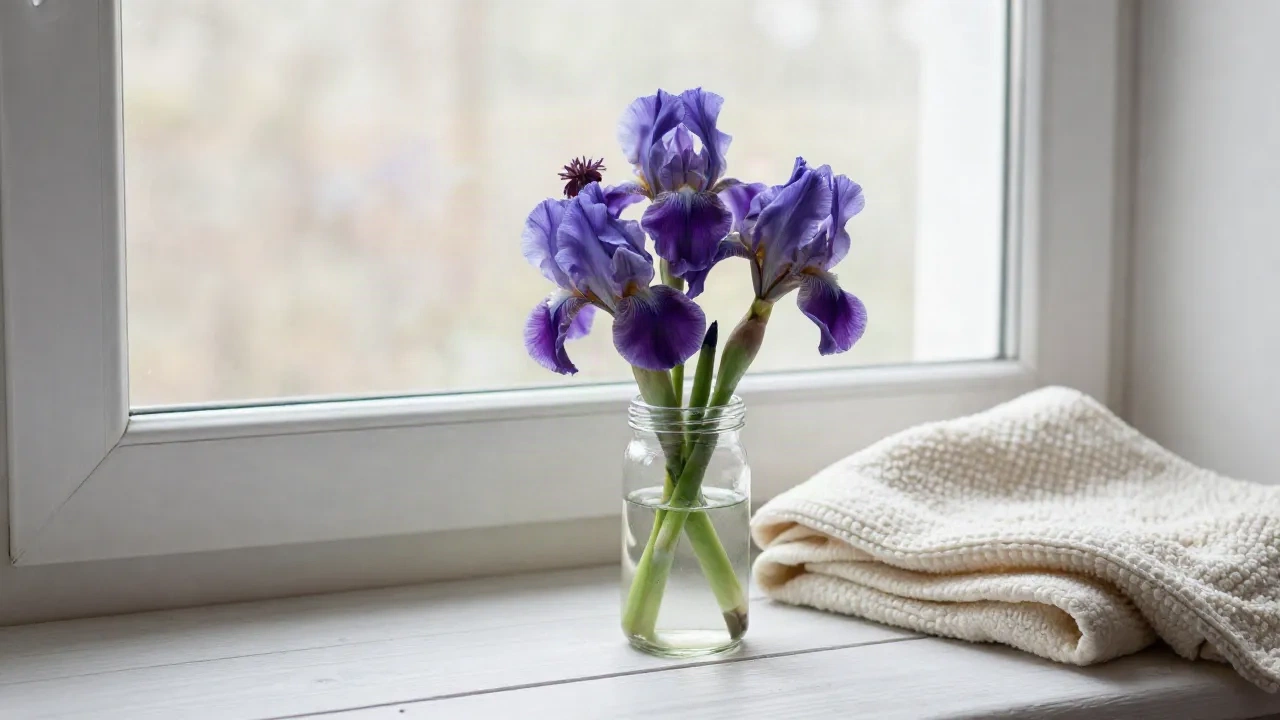
Flower names work best when you pick the one with a story, not just a pretty petal. Seven are below, each with where it comes from, how it sounds out loud and who it suits. Some are everywhere. Some are quieter. All of them hold up past the nursery.
Why do flower names keep coming back?
My daughter Else was born in March 2025, and for about six months before that our shared spreadsheet had a column called "plants." Neither of us had planned it. We kept drifting toward names that felt soft on the page and still had some spine when you said them across a kitchen.
That is the appeal of flower names. They are short, they are easy to spell, and they come with an image attached before anyone has met the child. The risk is the same thing: an image can be a cliché. A name that sounds like a scented candle will not age well.
So the question I ended up asking was simple. Does the name have a history beyond "it is a flower"? Iris is a goddess. Linnea is a botanist's favorite plant. Dahlia is a surname in disguise. Those are the ones that kept coming back to our table.
Which flower names have the deepest roots?
Etymology is the quickest filter for telling a name with weight from a name that is just decoration. A few sources to trust: Behind the Name is maintained by people who care about linguistic detail, and it is where I checked every origin below.
Iris. Greek for "rainbow," after the goddess who carried messages between gods and humans. The flower and the colored ring of the eye share that same source. Behind the Name lists it at #17 in France (2024) and #19 in Sweden (2025), so it travels well. Say it aloud: two syllables, a bright opening vowel, a soft finish. Worth saying aloud before you commit, because the English "EYE-ris" and the French "ee-REESE" are different names to different ears.
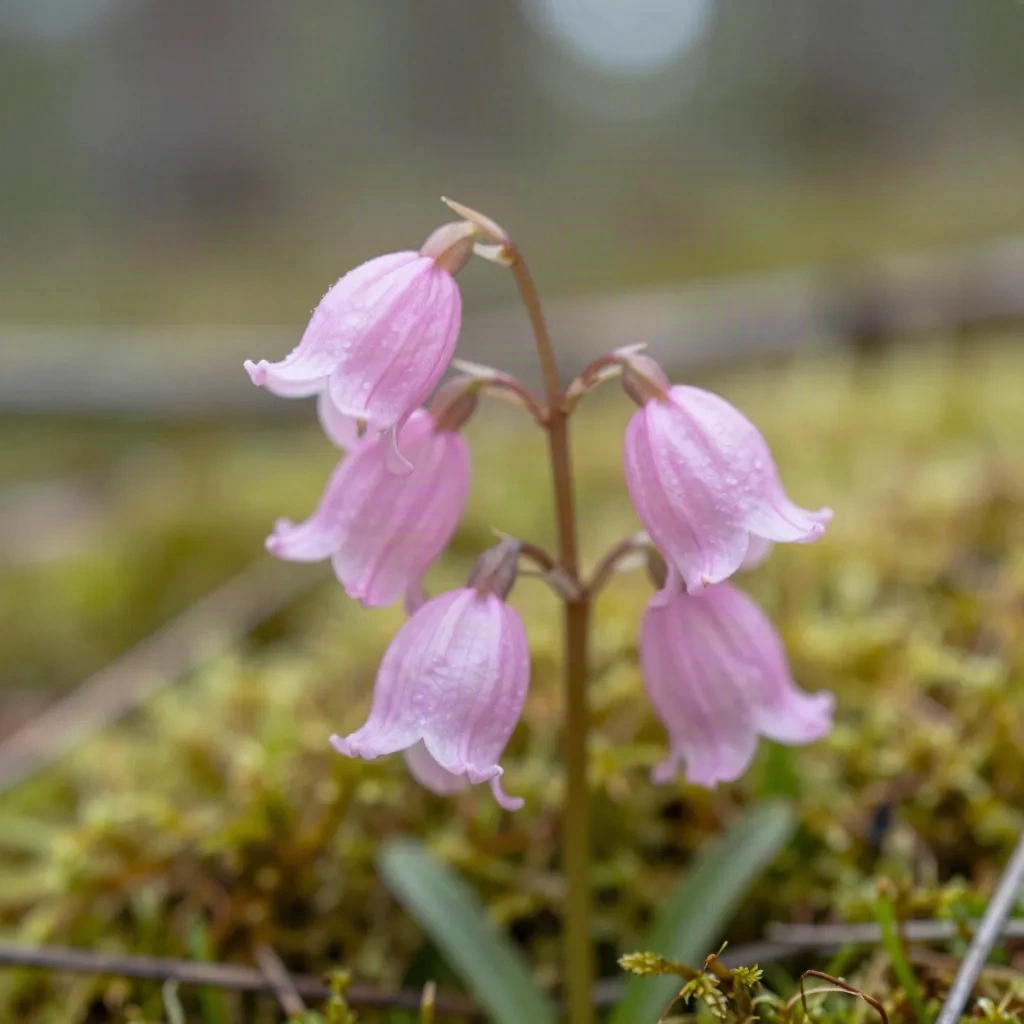
Linnea. This is the one I would push hardest. It comes from the plant Linnaea borealis, the twinflower, named for Carl Linnaeus, who treated it as his personal emblem. According to the botanical record he took it as his symbol when he was ennobled in 1757. So a name that sounds like a lullaby is actually a botanist's private joke about himself. It ranked #2 in Finland in 2025 and #31 in Norway the same year, which tells you how ordinary it is in the north and how few people say it elsewhere.
Dahlia. The flower was named after the Swedish botanist Anders Dahl, which makes the given name a surname that wandered. It sits at #215 in the United States (2025), recognizable without being crowded. The pronunciation is the real conversation here: DAL-yuh, DAHL-yuh and DAYL-yuh are all in use. Pick yours and tell the grandparents early.
What if you want a classic that nobody will call trendy?
Some flower names have been ordinary for generations. That is a quality, not a flaw.
Violet. From the English word for the purple flower, ultimately from Latin viola. It was common in Scotland from the 16th century and entered general English use in the 19th. Today it sits at #13 in the United States (2025) and #37 in England and Wales. It is a classic that the data says is back, so expect to meet other Violets at preschool. Skip if you want something that exists only in your house.
Ivy. The plant gave its name to the girl, and the plant traces to Old English ifig. It is #39 in the United States (2025) and #9 in England and Wales (2025). Short, firm, one syllable plus one. The kind of name that is easy to write on a lunchbox and hard to shorten.
Jasmine. A different route: the word came into English through Arabic from the Persian yāsamīn, which is also a Persian personal name. In the US it climbed from the 1970s and peaked in the early 1990s after Disney's Aladdin. It ranked #206 in 2025, so it has settled into a calm middle. If you like the sound but want the older root, look at the Persian form.
Is there a flower name that is not European at all?
Yes, and it deserves more than a footnote.
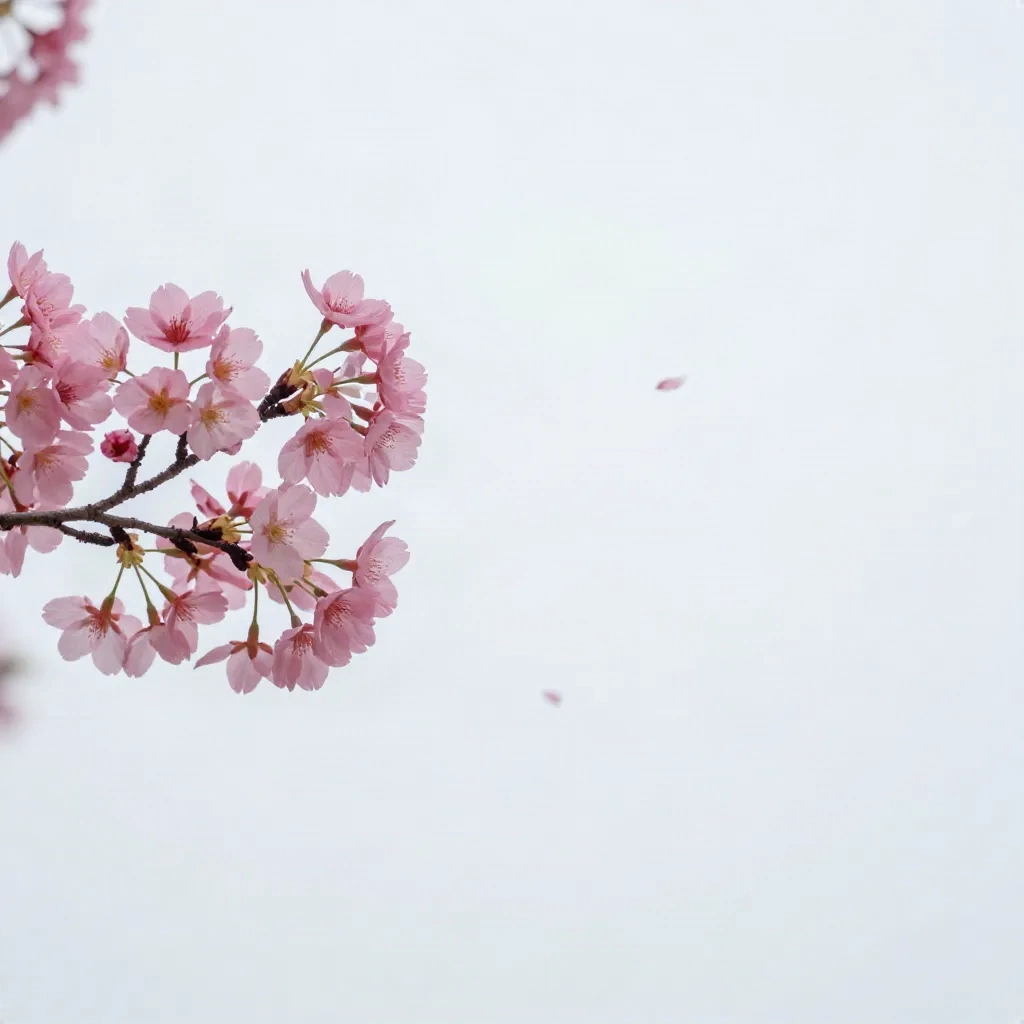
Sakura. From the Japanese word 桜 for cherry blossom, usually pronounced roughly sah-koo-rah, with three even syllables. It can also be written 咲良, combining "to blossom" with "good, virtuous." That second spelling matters: in Japan, the characters chosen are part of the name, and two Sakuras can carry different meanings on paper. It ranked #19 in Japan in 2025 and has been in the top 10 in several decades. If your family has no Japanese connection, spend an evening reading about naming practice before you decide. It is a lovely name with a specific cultural home.
How do you test a flower name before you commit?
The test I trust is boring and it works.
First, say it with the surname, in a full sentence, like a teacher calling roll. Second, say it in the other language your family speaks, if there is one. Third, picture it on a résumé, not a birth announcement. A name that survives all three is probably fine.
Then, and this is where my partner and I disagreed for a week, ask the question each of you actually cares about. For me it was typography: how the name sits on a page. For her it was how it sounded shouted across a playground. Neither of us was wrong. The name had to pass both.
If you want a free place to verify origins before you fall in love, that is the one I would bookmark.
What about a more distinctive botanical name?
If Violet and Ivy feel too crowded, the botanical route has more room. Think of plant names that read like first names: the ones that come from a genus, a variety or a surname. Linnea and Dahlia are already examples. The same instinct can lead you to names inspired by a specific garden memory, such as the flower your grandmother grew by the back door.
That personal link is the real filter. A name taken from a grandmother's garden carries a story you can tell your child at seven. A name taken from a Pinterest board carries a mood.
Be honest about trends, too. "Rare" is a word you should only use with a number behind it. If a name sits at #215 in the United States, it is moderately familiar. If it sits at #2 in Finland, it is a classic there and unfamiliar in most other places. Context is the data.
A "find similar names" tool is useful at this stage: type in the flower name you already love and see what it suggests next to it.
Can the name travel with the keepsakes?
Once you have chosen, the name tends to show up everywhere: on a birth announcement, a nursery print, a blanket. This part is optional, and I would keep it small.
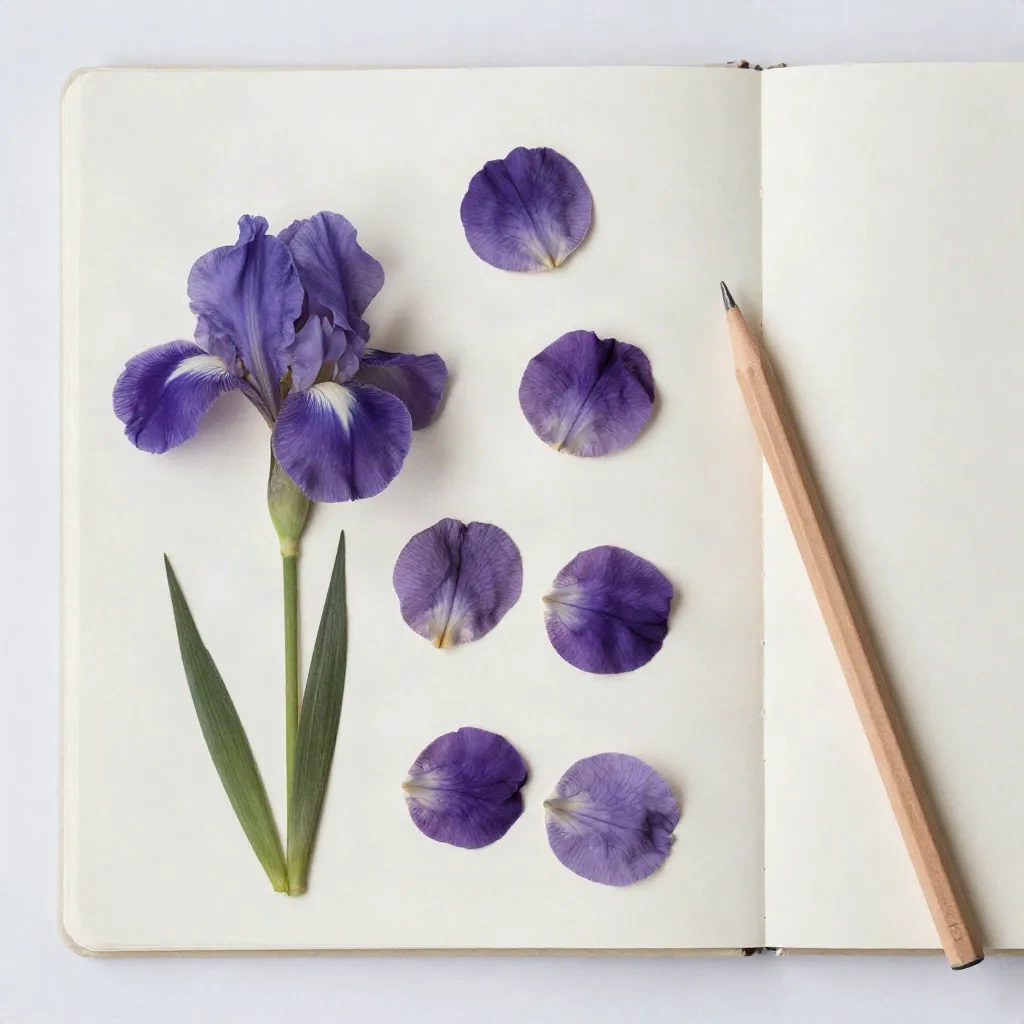
One small object tends to beat five. A pressed flower in a frame, a hand-lettered print, or a simple pendant for the parent's neck are all things that will still make sense in ten years.
For handmade prints and framed pressed botanicals, independent sellers are usually the best place to start. Check reviews and shipping times before the due date, not after.
A name pendant is the most personal version of this, and the preview lets you see how the letters look before you order. Skip if you do not wear jewelry; a print will serve you better.
When should a flower be a middle name instead?
This was the compromise that saved our shortlist. A flower name can be a lovely second name even when it feels like too much as a first.
Think about how the pair scans. A long, soft first name with a flower in the middle tends to feel balanced: Else Violet, for example, has a clipped start and a rounded finish. Two flower names stacked together, say Dahlia Iris, start to sound like a seed catalog.
A middle name is also where the family story fits most easily. If a great-grandmother was called Rose or Lily, you can honor her there without handing the child a first name they have to explain at every school. It also gives your child a choice later, which most people end up valuing more than they expected.
Which flower names would we skip?
Skip any name where the only reason to choose it is the flower. If you cannot say what the name means in one sentence, or what it sounded like to the first people who used it, keep looking.
Skip names with several pronunciations unless your family has agreed on one. Dahlia is the clearest example above. Skip names whose spelling has been bent into something new to look distinctive; a respelled name tends to be corrected for a lifetime.
And skip anything that exists in your mind only as a photograph. A name has to work in a hallway, on a phone line and in an argument, not just on a mood board.
Which one would we actually pick?
If I had to choose one from this list for a friend, I would say Linnea. It has a sound that feels easy in a kitchen, a story that is not obvious, and a botanical root that is not about how pretty a petal is. It also has a built-in test for patience: people will ask where it comes from, and you will get to tell them.
For a friend who wants something familiar, Violet or Ivy. For someone who wants a name with a mythological spine, Iris. For a family with a connection to Japan, Sakura, spelled with care.
None of these is the right answer. The right answer is the name your partner will actually agree to, said out loud, in your own kitchen, on an ordinary Tuesday. Start with two from this list, say them for a week, and see which one keeps coming back.